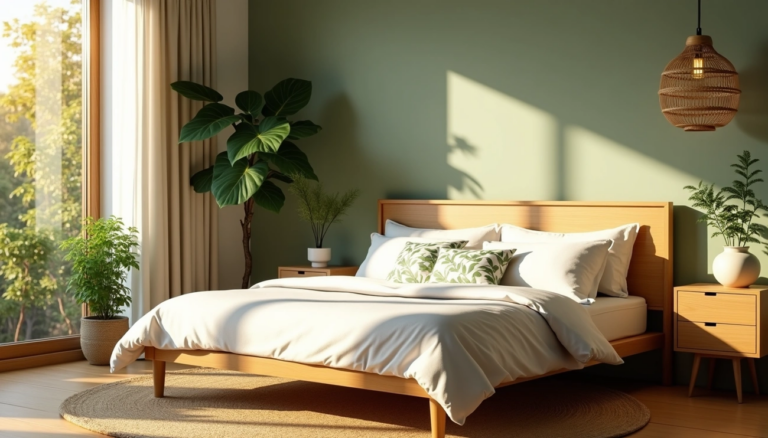
Your bedroom should work harder for you. The design choices you make directly influence your sleep quality, stress levels, and overall well-being. Yet, most modern bedrooms feel disconnected from the natural world—dominated by synthetic fabrics, artificial lighting, and sterile surfaces.
Biophilic interior design offers a simple remedy. By bringing natural elements into your sleeping space, you can create a sanctuary that regulates sleep patterns, reduces daily stress, and sharpens mental clarity. The best part? You don’t need a full renovation to see results. Sometimes the most impactful changes are the simplest ones.
What is Biophilic Design and Why It Matters?
Biophilic design isn’t just about scattering a few potted plants; it’s about creating a genuine sensory connection to nature. It taps into our evolutionary response to the outdoors—that immediate sense of calm we feel when stepping into a garden or forest.
Defining Modern Biophilic Design
Modern biophilic design is categorized into three distinct pillars:
- Nature in the Space: Direct presence of nature via plants, natural light, fresh air, and natural sounds.
- Natural Analogues: Materials, colours, and patterns that mimic nature, such as wood furniture, stone surfaces, and botanical artwork.
- Nature of the Space: Room layouts that mirror natural environments, providing clear sightlines and a sense of “refuge.”
The Science of Well-Being
Your body instinctively recognizes the difference between natural and artificial environments. Research shows that natural light helps reset disrupted circadian rhythms, while exposure to greenery can improve cognitive function by 8% and increase overall well-being by 13%. In the bedroom, natural timber has even been shown to lower blood pressure and heart rate, helping your body shift into relaxation mode.
5 Essential Elements of a Biophilic Bedroom
1. Let Natural Light Take Centre Stage
Natural light regulates the circadian rhythms that control your sleep-wake cycles.
- Maximize Sunlight: If you can’t install skylights, use mirrors to bounce light into dark corners.
- Smart Window Dressing: Use sheer curtains to maintain privacy without blocking the sun.
- Reflective Surfaces: Light-coloured walls and glossy furniture finishes amplify brightness by reflecting available light.
2. Choose Materials That Breathe
Conventional mattresses often contain polyurethane foam and adhesives that release volatile organic compounds (VOCs).
- Organic Bedding: opt for wool, cotton, or hemp. Wool acts as a natural flame retardant, eliminating the need for toxic chemical treatments.
- Texture: Combine wood and stone to add visual depth and tactile comfort without creating “clutter.”
3. Pick Plants That Work While You Sleep
Not all plants belong in a sleeping space. These five are specifically chosen for their nighttime benefits:
- Snake Plants: Unlike most plants, they release oxygen at night.
- Lavender: Proven to reduce blood pressure and heart rate, perfect for soothing nighttime anxiety.
- Aloe Vera: Purifies the air of chemicals and produces oxygen throughout the night.
- Areca Palms: Act as natural humidifiers—ideal for those with allergies or sinus issues.
- Spider Plants: Highly effective at removing common household pollutants.
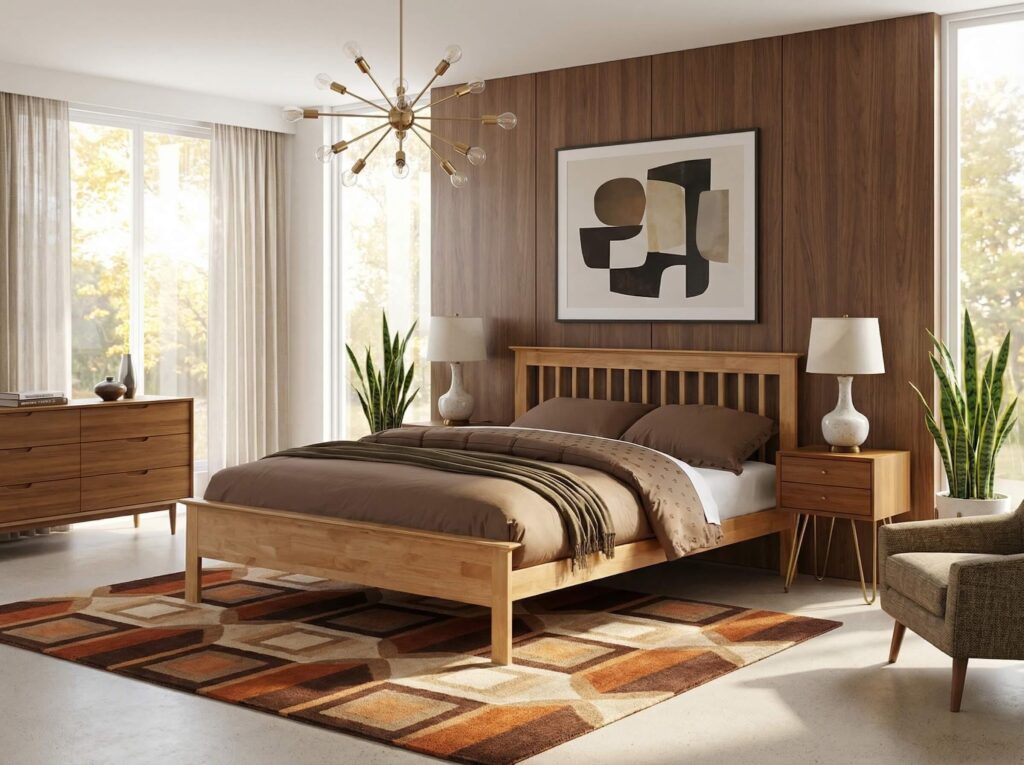
Pictured: Pentre 4FT Small Double Bed Frame, with snake plants at either side of the bed.
4. Embrace Earth Tones
Colour psychology plays a vital role in relaxation.
- Soft Neutrals: Beige, sandstone, and taupe create a tranquil foundation.
- Nature’s Accents: Pale sage greens and muted slate blues offer sophistication, while deep terracotta’s and olive greens add warmth to accent walls.
5. Incorporate Calm Water Motifs
While moving water (like fountains) can sometimes be too stimulating for a bedroom, “water-themed” design is highly soothing. Use a palette of soft blues or display artwork featuring calm seascapes to reinforce the motif without the noise.
Takeaway Tip: Start with one or two elements rather than trying to incorporate everything at once. You can always build on your foundation as you discover what works for your space.
Step-by-Step: Creating Your Nature-Inspired Retreat
Creating a biophilic bedroom doesn’t require a complete overhaul. You can see a significant difference in just a weekend by following these steps:
Step 1: Audit Your Space
Note your room’s orientation. Northern light brings out cool tones, while east-facing rooms receive warmer morning light. Identify architectural features like alcoves that could serve as a “nature nook” for a large plant or a wooden reading chair.
Step 2: Define Your Focal Point
Your bed is the room’s natural focal point. Position it to face a window with an outdoor view if possible. If the view is limited, use a well-positioned mirror to reflect the sky or any visible greenery, doubling the impact of natural light.
Step 3: Swap Synthetics for Natural Alternatives
This is where you can make the biggest impact with minimal effort. Focus on:
- Linen: Exceptionally sustainable and breathable.
- Wool: Biodegrades naturally and regulates temperature.
- Hemp: A durable fabric that captures carbon during growth.
Step 4: Layer the Senses
A true biophilic space engages more than just the eyes. Introduce gentle natural sounds through white noise machines, use essential oils like lavender to slow your heart rate, and combine soft textures like wool rugs and cotton cushions.
How to Keep Your Biophilic Bedroom Thriving
Your nature-inspired bedroom is a living project. Regular care ensures it continues delivering sleep and well-being benefits.
- Plant Care: Most houseplants suffer from overwatering. Use the “knuckle test”: push your finger into the soil; if it’s dry to the first knuckle, it’s time to water.
- Eco-Cleaning: Swap harsh chemicals for products made with vinegar, baking soda, and essential oils. This keeps the air you breathe pure.
- Sustainable Storage: Use bamboo, rattan, or reclaimed wood for shelving. These materials reduce demand for new resources while adding rustic charm.
- Small Space Solutions: If floor space is tight, think vertically. Wall-mounted planters or hanging pots provide greenery without the footprint. Jute or sisal rugs add natural fibres affordably in compact areas.
Frequently Asked Questions
Q: What exactly is biophilic interior design? It is the practice of incorporating natural elements into living spaces to create a meaningful connection with nature. It includes direct elements (plants/light), natural analogues (wood/stone), and spatial configurations that mirror the outdoors.
Q: How does biophilic design improve sleep quality? It improves sleep by regulating circadian rhythms via light exposure, reducing stress levels with natural materials, and improving air quality. These elements trigger the parasympathetic nervous system, helping you unwind.
Q: Which plants are best for a bedroom? Snake plants and Aloe Vera are top choices because they produce oxygen at night. Lavender is excellent for its sedative scent, and Areca palms are great for adding moisture to the air.
Q: What natural materials should I use to replace synthetics? Prioritize organic cotton, linen, wool, and hemp for textiles. For furniture, choose solid wood or natural stone over plastic or composite materials.
Your Nature-Inspired Bedroom Awaits
You now have the roadmap to create a bedroom that works with your natural rhythms, not against them. Pick one element that speaks to you today—perhaps a snake plant or a set of linen sheets. Small changes create the foundation for a life-changing retreat.
Keep it simple, keep it natural, and enjoy the process of creating a space that genuinely supports your well-being.